Four La Plata County organizations are working to reach more children and youth. Episode 3 of “Our Kids. Our Community.” looks at the barriers between young people and youth services.
This story was made possible by YOU, our community, through Colorado Gives, 2025.
Learn More
Transcript
I would say the main barrier would be capacity. We’re a small yet mighty team of individuals and we can only do what we can do.
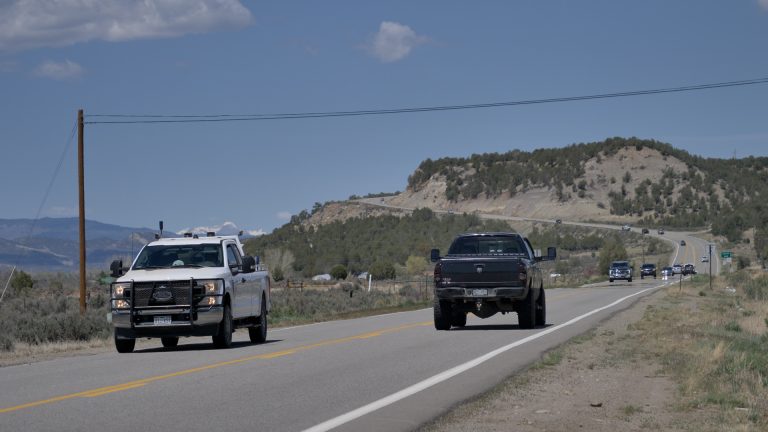
Transportation I would say is the number one barrier. Being centrally located has really helped The Hive, but there’s still families that need their kid to get on the school bus and go home when they live in the rural parts of our area.
If you don’t live in one of the hubs, if you don’t live in town or you live close to a school itself, I mean, how do you get to a program?
Financially, there’s always barriers and that’s why The Hive strives to have our Pay It Forward program. If a family can’t pay, we don’t ask any questions. We say, “Okay, you’re covered.”
We scholarship or provide financial assistance to any kid. I mean, our model is no kid will ever be turned away based on any sort of financial obstacle and we have stayed true to that and will continue to stay true to that.
Our challenge right now is finding, quite honestly, mentors that are in more rural parts of our communities, of our county, of our region, to be able to serve those kids that are in those rural areas as well. It’s difficult when you’ve got a little that might be at Sunnyside or up on the Mesa and asking a big to drive out 30 minutes to that little or ask that little parents to bring them in. We’re looking at how to better place our staff to be more accessible out in the east county of La Plata County as well as looking at Archuleta County.
School district’s been great about providing transportation, but then what happens when the program closes and your parents don’t work someplace where they can pick you up?
Summer transportation is huge. Usually kids will stay at home all summer with their siblings because they don’t have the appropriate ride at the appropriate time for programming. So we have a whole collaborative working on that three routes that we’re doing north, east and south to provide hundreds of families transportation.
We can only serve, you know, 120 of the 160 school-based referrals that we have. That’s 40 young people that aren’t receiving that support. In the last year and a half or so, the climate has shifted when it comes to, to funding streams. And so resources are scarce these days.
The biggest limiting factor has continued to be staff. Like, you know, we don’t have tons of waiting lists, but that’s kind of intentional because we know that we’re only going to open up enough spots for the staff that we have.
We do have a longer wait list than normal. We don’t anticipate that lasting long with the support of the community and how they’ve really been showing up for us for many years. So we anticipate being able to add more staff to being able to serve more kids. Right now we have over 20 kids on the wait list. I think recognizing that it’s not this bottomless organization that can just keep taking kids. We want to do it ethically, we want to do it with quality, and we want to be sure that, you know, our staff are fully well trained. And so we’re going to make sure that we’re doing this right and sustainable so that we are around for 40 more years.