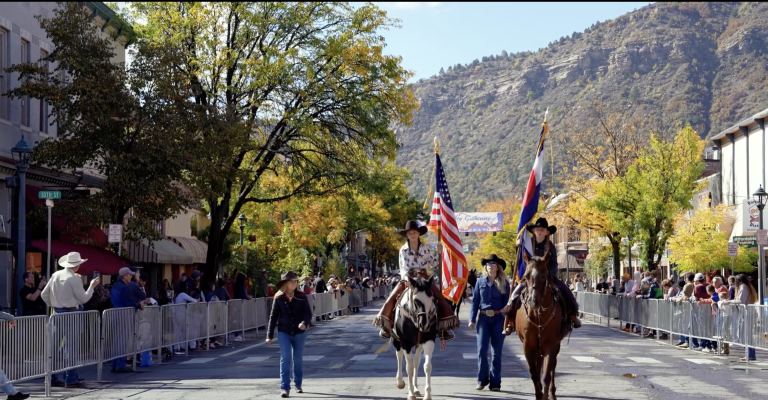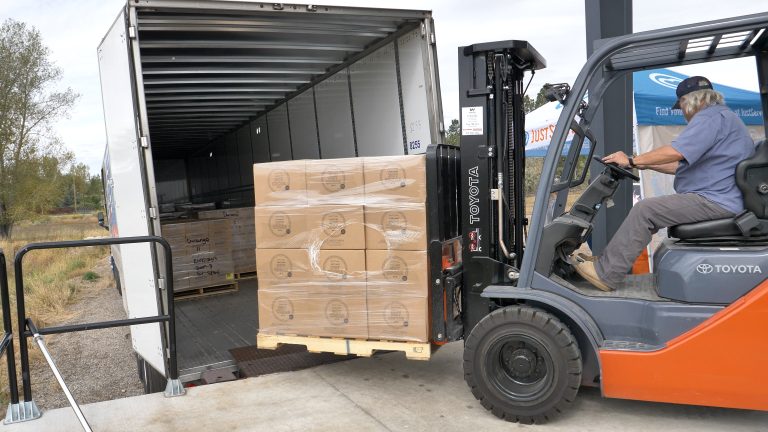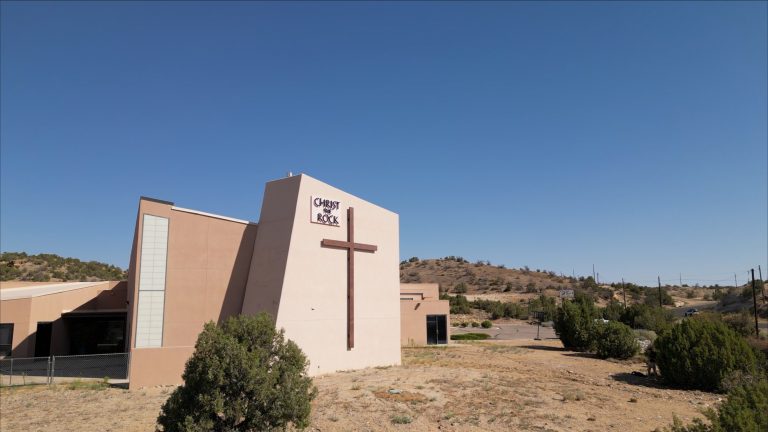
Colorado was shaped by the people who fed it. In this documentary, Scott Perez traces the agricultural history of the region from its earliest roots — from the orchards that sprang up near Hermosa Creek in the 1870s to serve hungry miners, to the ditch irrigation systems first developed by indigenous communities and later adapted by American settlers, to the narrow gauge railroads that opened new markets and transformed farming across the valleys. Drawing on diaries, oral histories, and a lifetime of working the land himself, Scott paints a vivid portrait of how agriculture has always been both a livelihood and a lifeline in Southwest Colorado — and why the small farms still taking root here today carry that legacy forward.
The Power of Place Magazine is a special initiative of the Colorado 150 Southwest organizing committee, featuring 20 articles by professional historians and local writers exploring Southwest Colorado’s rich and complex heritage.
This story is sponsored by Alpine Bank, Sky Ute Casino and Strater Hotel
Watch the full series, Voices of the Past: Southwest Colorado.
Our Sponsors



Learn More
Voices of the Past: Southwest Colorado (full series)
Sponsored by Alpine Bank, Sky Ute Casino and Strater Hotel
Transcript
At the junction of Hermosa Creek in the Animas River, a community of farms to provide food to the mining cap sprouted up around 1872. In 1876, the first orchard was established by TA Care and Charles Dudley providing fresh fruit cider. In 1883, care purchased more land and added pears, sweet cherries and plums. Fresh fruits were a welcome delicacy to the miners and townspeople in the Hermosa area became well known for a number of orchards and varieties of fruit throughout history in this semi air part of Colorado. What has been of utmost importance to agriculture are the rivers and streams which are born of the snow pack from mountains and flow down to create our wide fertile valleys in these valleys grew plants that the first humans ate and domesticated. Eventually, they developed a ditch irrigation system, adding, holding ponds to contain water to use, and the stream levels dropped throughout the summer. The early American settlers who followed the gold rush of 1859 used many of these same systems improved on them. By the mid 1880s, Narrow gauge railroads had pushed their tracks well into the mountains, making quick delivery of perishable food items possible. Larger towns developed in the valleys, the centers of dispersal for the railroads. The farmers and ranchers now had another market, the growing population of these towns. It also gave them access to other consumers across the country on the rail system. These new markets were critical to the agriculturists as a number of mines, and the population of camps tended to ebb and flow due to various factors. When you read through the diaries and listen to the oral histories of regional people who were among the early settlers or their descendants, there’s a few things stand out. They were generally smaller than operations out in the plains, but that was countered by the easier access to water in most areas. While the Eastern farms raised mostly dry land crops such as wheat and other grains, farms here could cultivate a wider variety of plants. The economy and production rose and fell with the tide. People planted their own gardens. A sense of community and shared hardships strengthened our connections. After World War II, the agriculture industry shifted again. Food distribution became controlled by fewer companies. The burgeoning population took up more and more fertile land while driving property values and taxes higher. We’ve had to adapt and to rely on each other and our historical knowledge. And despite the challenges, the number of small farms run by younger people is growing. There are easier ways to make a living than agriculture, but maybe not a more important one. We are proud that we produce Bonner here on the Western slope and of the community and spirit of cooperation. It helps us thrive. To read this story, visit Colorado150southwest.org Alpine Bank, committed to Colorado and you.