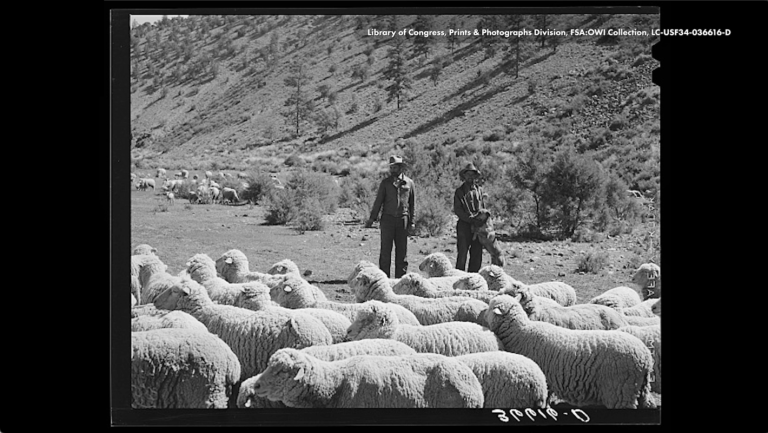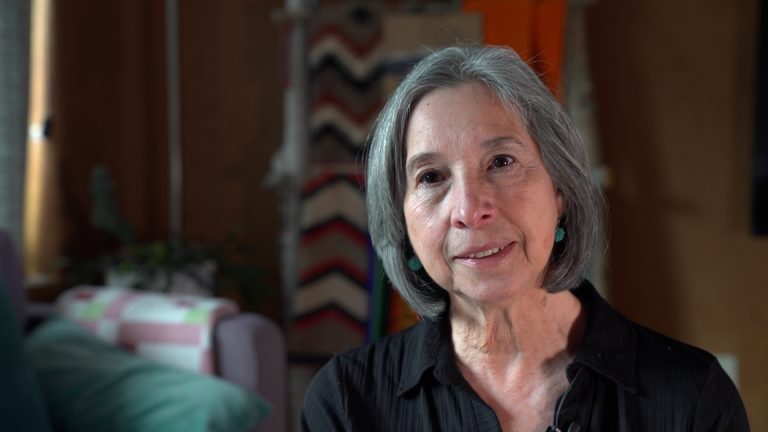
Long before the roads came to Southwest Colorado’s high country, the San Juan Mountains were shaped by the labor and lives of Hispano and Basque sheepherders who drove their flocks through these rugged passes each season. In this video, Peggy Montaño reflects on that deep legacy through her own written words — one that runs through her own family across multiple generations. Drawing on oral history, on-the-ground exploration of ancestral sites, and collaboration with Forest Service researchers, the film traces the parallel journeys of two immigrant communities who found common ground in these mountains. It is a portrait of sacrifice, resilience, and the enduring bonds between people and place — and a reminder that the landscapes we treasure have always been shaped by those who came before us.
The Power of Place Magazine is a special initiative of the Colorado 150 Southwest organizing committee, featuring 20 articles by professional historians and local writers exploring Southwest Colorado’s rich and complex heritage.
By Peggy Montaño
This story is sponsored by Alpine Bank, Sky Ute Casino and Strater Hotel.
Watch the full series, Voices of the Past: Southwest Colorado.
Our Sponsors


Transcript
I squint. The sun is beating down on my face and I’m trying to take pictures. I keep telling myself the photos. They will be beautiful. Just keep trying. I pull my hat down further. Also, I can hear far ahead of me on the hillside. All the children laughing and talking and behind me. I know that the people are very slow. Those are the elders and the serious people who have to stop and look at every tree, look at the earth as we move along, and we’re a pretty disorderly line of visitors to our family historical site. On this day, six generations of Montaños have come to celebrate our heritage. There’s a baby riding on his father’s back, and my Tio who’s in his nineties, who heard a sheep here with our father and our grandfather. This region has a long cultural tradition of sheep herding. Our ancestors were Hispano sheep herders, people of Spanish descent who settled in New Mexico before the US annexation. There were also bask sheep herds here, immigrants from the Pyrenees who tended the animals in these same mountains. When we go, we search for clues that they left behind from the time they were here. This is a site rich with history. Some carvings are animals, some carvings are people, some carvings are crosses, and others are dates with initials or names or hometowns like coyote, Savoia, Canjilon and there’s even one that says Navajo Kid AZ. The forest service scientists have discovered these Basque cairns, burned cans and bottles, and they date the sites and correlate the sites. With the stories passed down through our family history, they take a lot of notes and write furiously in their notebooks. They ask a lot of questions. They keep detailed ledgers. We’re very thankful for their expertise in their interest in their work. We just enjoy visiting this site and paying respect to our ancestors. We now understand that the sacrifices they made, they were away from their families for months at a time. When you visit these mountains, know that many people were here before you. Not just the youths, but also the Basque and the Hispano sheep herders. They became brothers. They shared meals around fires at night and worked together in the sunshine, the rain, and the snow for months at a time. We remember them and honor them to this day. To read this story, visit Colorado one 50 Southwest org. Alpine Bank, committed to Colorado, and you.